
GET TO KNOW US
Future Intelligence Think Tank
Passes 1,000 Members.
Who Is Part of the Conversation?
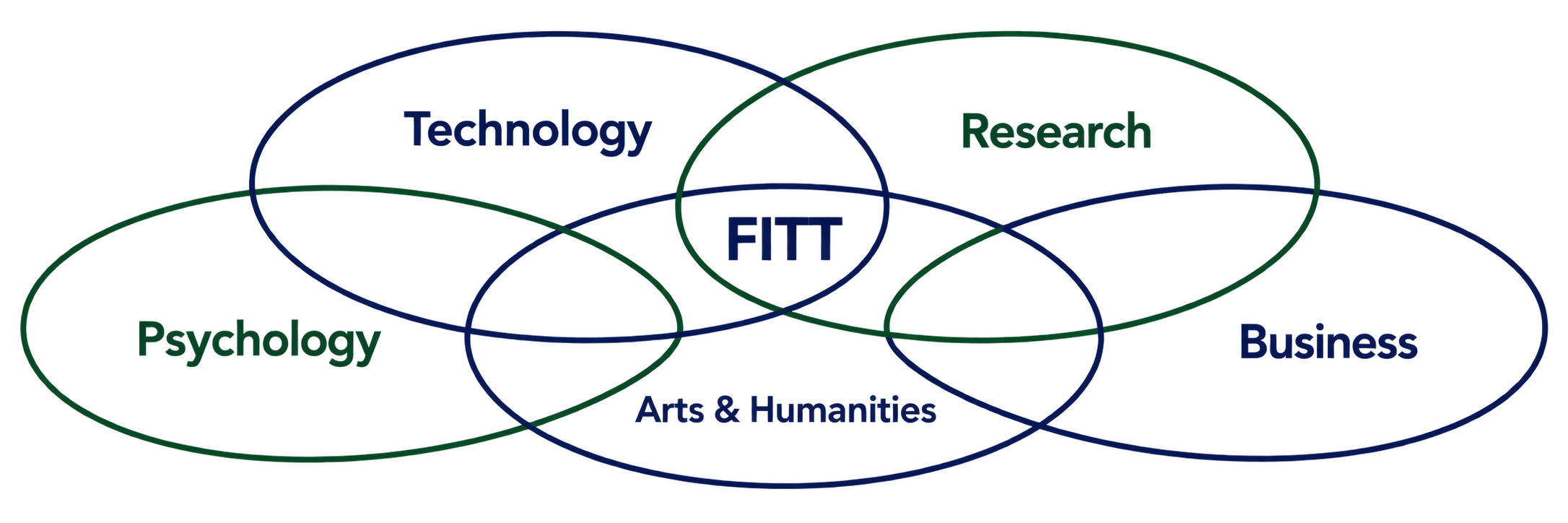
The community brings together researchers, business leaders and specialists across disciplines, with a welcome place for humanistic and humanitarian discussions.
On September 13, 2026, the Future Intelligence Think Tank (FITT) reached 1,000 members. We have since passed that figure, and we are proud of the company we find ourselves in.
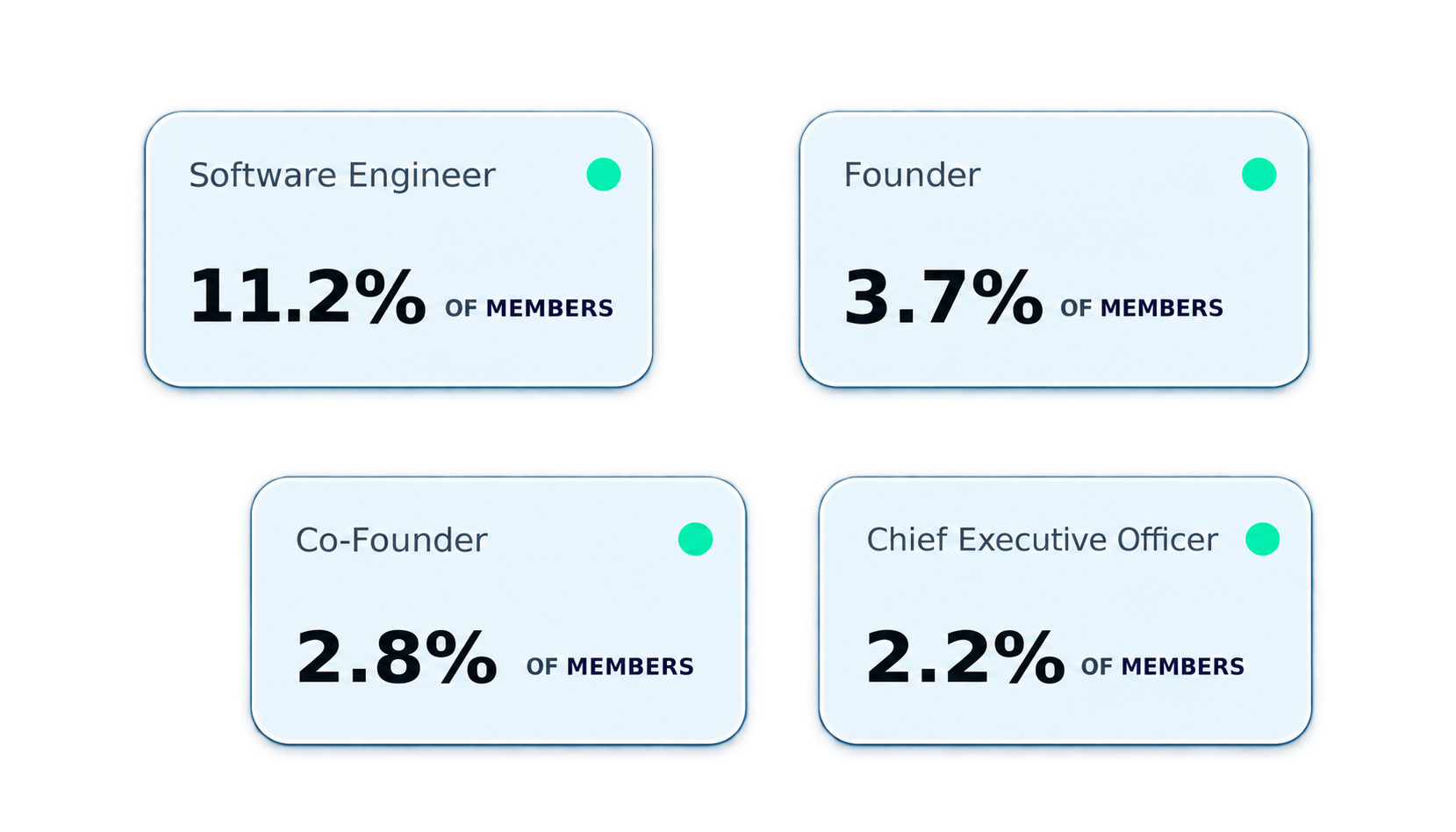
Among our members are people responsible for research, whole-vehicle validation, software engineering, education and business decisions. Healthcare, finance and consulting are represented too. Software engineers make up the largest identified job-title group, at 11.2%, which gives some indication of how much of the community exists beyond that single profession.
For FITT, established by ASSIST Software, reaching this size means that a question can encounter people who understand it in quite different ways. The person reading your contribution may have spent years working on something you have only just begun to consider.
An answer can be correct and still be incomplete
Professional expertise is often most interesting at the point where another profession starts asking questions.
An organisation might have convincing evidence that AI helps its employees produce work faster. Whether it is also helping them understand their work better is a separate question. So is whether anyone has enough time to check the additional output. A productivity claim becomes considerably more demanding once the people responsible for learning, management and verification examine it.
This is the territory explored in FITT’s discussions about scaling AI and organisational knowledge. Other conversations, concerning authorship or autonomous systems, reach a related difficulty: a technical explanation can leave important questions about human responsibility unresolved.
The subjects differ, but they reward the same willingness to look beyond the first satisfactory answer. A finding can be sound within the conditions of a study and difficult to apply in a workplace. A system can perform as designed while exposing a weakness in the decisions behind its design.
Having researchers, practitioners and leaders in the same community makes it possible to examine those distinctions with people who know why they matter.
A place for the humanities and humanitarian questions
The Future Intelligence Think Tank is also a place for people whose interests begin elsewhere than technology.
Questions about how we learn, what we consider creative and why we trust one another do not need an AI announcement to make them relevant. They have histories worth knowing and consequences worth discussing.
We welcome humanistic and humanitarian contributions, including discussions of philosophy, culture, education and social responsibility. People working outside technology should be able to set the subject themselves, rather than being asked only to comment on a technical development.
Consider how easily a discussion of progress assumes agreement about what would count as improvement. Greater independence might matter most to one person; access to human support might matter more to another. Someone working closely with vulnerable people may recognise the consequences of that distinction long before it appears in a strategy document.
A community interested in intelligence needs room for those experiences, and for questions whose importance cannot be expressed as a performance measure.
What we hope members will bring next
Passing 1,000 members gives us a considerable audience to learn with. It also gives contributors a reason to share things that seem too familiar within their own profession to warrant explanation. Elsewhere, that knowledge may be exactly what someone is missing.
We would like to hear more about the assumptions your work has made you question, the findings you think deserve attention and the problems on which you would welcome another informed view.
Thank you to everyone who has brought us to this milestone. You have helped establish a community where a research leader, an educator, an engineer or a founder can enter the same discussion without needing to arrive at the same conclusion.
Our articles on Medium and Substack examine selected ideas from these conversations in greater depth.
We would be delighted to welcome you to the Future Intelligence Think Tank LinkedIn group. Share your experience and take part in discussions about human and artificial intelligence alongside people from different disciplines.
A closer look at the ideas discussed in Future Intelligence Think Tank
Some conversations deserve more space. Our articles on Medium and Substack explore selected questions raised in the community, with further context and perspectives.


Your perspective is welcome
We warmly invite you to join the Future Intelligence Think Tank LinkedIn group and add your perspective to the conversations exploring human and artificial intelligence.
Join FITT on LinkedInFrequently asked questions about
Future Intelligence Think Tank
Future Intelligence Think Tank is an open professional community rather than a traditional research institute. Hosted on LinkedIn, it connects practical experience, academic research and informed analysis of artificial intelligence, human intelligence and emerging technology.
Posts are assessed for relevance, credibility and potential value to the community. Contributors are expected to distinguish evidence from opinion, identify their sources and engage respectfully with questions or opposing perspectives.
Members can publish original analysis, research findings, lessons from AI projects, industry observations and questions that invite informed discussion. Commercial expertise is welcome when it contributes knowledge rather than functioning as advertising.
Yes. Professionals may contribute insights from their organizations, research institutions or industries. Posts should explain the wider relevance of the work and disclose any connection to the projects, products or organizations being discussed.
No. Posts and comments represent the views of their individual contributors. Publication within Future Intelligence Think Tank does not imply endorsement by the community, its management team or ASSIST Software.
Current conversations and member contributions are published in the Future Intelligence Think Tank LinkedIn group. Selected ideas and longer analyses are also developed into articles available through ASSIST Software on Medium and Substack.
Yes. Joining and participating in the LinkedIn group is free. Members can follow existing conversations, respond to other contributors or introduce a relevant question of their own.
AI tools may support research, analysis or writing, but posts should reflect the contributor’s own judgment. Authors remain responsible for verifying factual claims, citing original sources and providing the professional context needed for meaningful discussion.
Future Intelligence Think Tank is a public LinkedIn community for professionals exploring human and artificial intelligence.
Information
Community information reviewed in September 2026.
© 2026 ASSIST Software
Privacy & Cookie Policy